
6 Differences between LED, LDP and LCD screen

6 Differences between LED, LDP and LCD screen
There are 6 differences between LED, LDP and LCD screen, which we will talk about, explaining the advantages of each type of screen.
- Working principle.
- Image quality.
- Scope of application.
- Energy consumption and life.
- Where are LCD, DLP and LED used?
- LED display effect.
LED, LCD, and DLP are different types of display technologies:
LED (Light Emitting Diode):
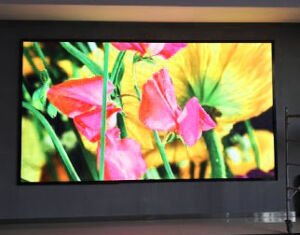
Led display screen
LED is a light-emitting diode based on the principle of solid-state light emitting.
LED displays produce images by controlling millions of tiny LED lights made up of pixels. Each LED light can be adjusted independently for high contrast and color saturation.
LED display has the advantages of high brightness, high reliability, long life and low energy consumption. LED technology is widely used in outdoor led display screen, sports venues, stage shows and electronic signs and other occasions.
LCD (Liquid Crystal Display):
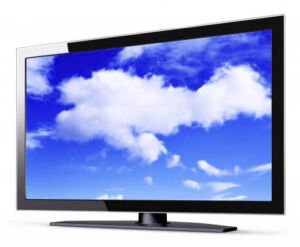
LCD Screen
LCD is a liquid crystal display technology that uses the optical properties of liquid crystal molecules to control the transmission and blocking of light to display images.
LCD display is composed of LCD panel, backlight and electronic driver. When an electric current passes through a liquid crystal molecule, the liquid crystal distorts the path of light, thus changing the polarity of the light that passes through.
LCD technology has the characteristics of high color accuracy, viewing Angle stability and low energy consumption, and is widely used in television, computer monitors and mobile devices.
DLP (Digital Light Processing):
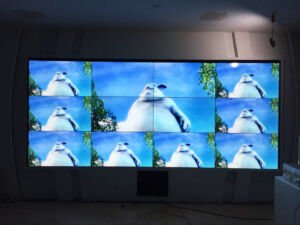
DLP Screen
DLP is a projection display technology that uses a tiny array of digital micro mirrors and a high-speed rotating color filter wheel to generate images.
DLP projectors generate images on the screen by controlling the on-off state of the micro mirror to adjust the reflection of light.
DLP technology has the characteristics of high contrast, good color saturation and fast response, and is often used in home theater, commercial presentations and large event projection displays.
These display technologies have their own characteristics and advantages in different application scenarios and needs, and the selection of suitable display technologies needs to consider the application environment, image quality, power consumption requirements and budget.
6 differences between LED, LDP and LCD screen:
1- Working principle:
LED: Light-emitting diodes emit light, and LED displays produce images through millions of tiny LED LIght made up of pixels.
LCD: Liquid crystal displays use the optical properties of liquid crystal molecules to control the transmission and blocking of light, and display images by illuminating the LCD panel with a backlight.
DLP: Digital light processing technology uses a tiny array of digital micro mirrors and a color filter wheel to generate an image by controlling the reflection of light.
2- Image quality:
LED: With high brightness, contrast and color saturation, LED displays provide clear, bright images in both indoor and outdoor display environments.
LCD: LCD displays have high color accuracy, viewing Angle stability, and contrast, and can display detailed images, especially on high-resolution displays.
DLP: DLP projection technology features high contrast, good color saturation and fast response, which can produce vivid images on large screens.
3- Scope of application:
One of the most important of 6 differences between LED, LDP and LCD screen
LED: LED display is widely used in outdoor led display screen, sports venues, stage shows and electronic signage and other fields, suitable for indoor and outdoor environments.
For more information’s about EGYLED products, Click here.
LCD: LCD is widely used in television, computer monitors, mobile devices and tablet computers, suitable for indoor use.
DLP: DLP projection technology is mainly used in projectors, suitable for home theater, commercial presentations and large-scale events where large screen projection is required.
4- Energy consumption and life:
LED: LED display has low energy consumption, LED lamp life is long, can reach tens of thousands of hours.
LCD: LCD displays generally have lower energy consumption, but the power consumption of backlight is higher.
DLP: DLP projectors may consume more energy in high brightness mode, but they can reduce power consumption in energy saving mode.
In summary, LCD, DLP and LED have different working principles, application ranges and characteristics. Choosing the right technology depends on the specific application needs, such as display environment, image quality requirements, energy consumption and budget.
5- Where are LCD, DLP and LED used
LED (Light Emitting Diode) applications:
Indoor and outdoor display: LED display is widely used in outdoor led display screen, sports venues, stage shows and electronic signs and other indoor and outdoor display environment.
The above list only lists some common application scenarios of LCD, DLP and LED, in fact, these display technologies have more applications in various fields. Choosing the right technology depends on the specific needs and requirements.
LCD (Liquid Crystal Display) applications:
Television and computer monitors: LCDS are widely used in television and computer monitors, including home entertainment, office and personal use.
Mobile devices: LCDS are widely used in mobile devices such as smartphones, tablets and portable game consoles.
Automotive display: LCDS are used in cars for dashboard displays, navigation systems and entertainment systems.
DLP (Digital Light Processing) applications:
Projection display: DLP technology is commonly used in projectors for home theater, business presentations, education, and large event projection displays. DLP projection technology is also used in 3D printers to create three-dimensional models of objects by curing liquid photosensitive resins.
6- Display effect:
LED Display effect
One of the 6 differences between LE , LDP and LCD screen is LED display effect.
High brightness and long life: The LED display effect has a high brightness output and long life, does not require frequent bulb replacement, and is suitable for long time use and commercial applications.
Energy saving and environmental protection: LED display effects provide an energy-efficient projection solution that consumes less energy and reduces environmental impact.
Smaller size and portability: LED display effects are usually smaller than traditional display effects, easy to carry and move, suitable for mobile presentations and outdoor activities.
Taking into account your image quality, response speed, color accuracy, resolution requirements, as well as budget, use environment and mobile needs, you can choose the type of display effect that is right for you. It is recommended to consult with suppliers or professionals before purchasing for more specific advice and technical support.
The LED display screen has an optimal viewing distance which enables the viewer to clearly see and read all the contents of the screen display from a long distance.
The LED outdoor display screens are characterized by the extreme brightness of their light, which makes them clearly visible from long distances, even during daylight.
One of the latest unique features of LED display screens is that it has the ability to control its brightness, which varies from night to day.
The clarity of its colors, which makes it attractive to the viewer, and thus works to raise the percentage of viewing its ads, which brings profits to the owners of the products shown in the ads.
One of the main advantages of LED display screens is that they save the electrical energy used, and this increases the life of their battery.
To contact EGYLED technical support and customer service Click here.
DLP display effect:
High contrast and color saturation: DLP display effects typically have excellent contrast and color performance, producing bright, vivid images.
Fast response: The DLP display effect is very fast and is suitable for displaying fast dynamic content, such as videos, games and sports competitions.
Good motion processing ability: DLP display effects perform better in the processing of fast moving images, which can reduce blur and residual effects.
LCD display effect:
Good color accuracy: LCD display effects with high color accuracy and color depth are suitable for applications that require accurate color reproduction, such as graphic design and professional presentations.
Higher resolution: LCD display effects typically offer higher resolution options for applications that require high-definition images, such as watching high-definition movies and demonstrating detailed images.
Lower operating noise: LCD display effects generally produce lower operating noise than DLP display effects and are suitable for situations that require a quiet environment, such as conference rooms and classrooms.
For more information’s about EGYLED products, Click here.